
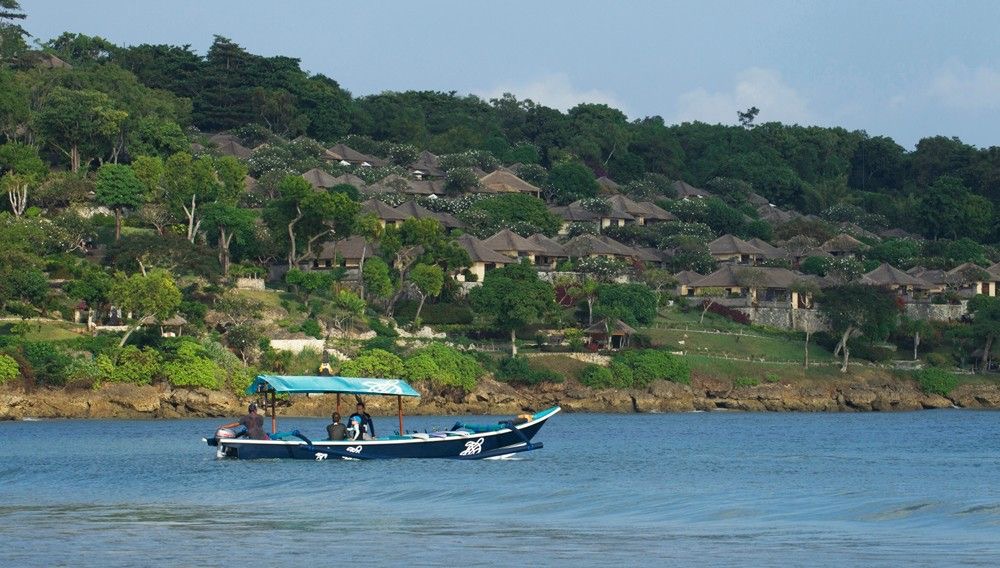
In the early 1970s, Bali was already drawing international visitors. But the tourism was uncontrolled, unplanned, and increasingly threatening the very thing people came to see. Backpackers and budget travellers were flooding Kuta. Infrastructure was overwhelmed. The cultural fabric of Balinese life, its temples, its ceremonies, its rhythms, was being eroded by the sheer weight of unmanaged arrivals.
The Indonesian government faced a dilemma that every emerging tourism nation eventually confronts: how do you capture the economic value of tourism without destroying what makes the destination worth visiting in the first place?
Instead of trying to regulate the chaos, the answer was to build something entirely new, from scratch, on a blank piece of land, and do it right from the beginning.
In 1973, the Indonesian government established the Bali Tourism Development Corporation, later renamed the Indonesia Tourism Development Corporation (ITDC), as a state-owned enterprise under a direct government mandate. Its purpose was singular: develop world-class tourism infrastructure in Indonesia, with the discipline and standards that the private sector alone could not guarantee.
ITDC was not a regulator, but a developer, a landlord, and a standards enforcer all in one. It would acquire the land, build the infrastructure, set the rules for who could develop within its estates, and manage the environment long-term.
The World Bank saw the potential. In 1974, it provided a $16 million interest-free credit to fund the first phase of infrastructure development in a barren, largely uninhabited peninsula on Bali's southern coast. The place was called Nusa Dua.
The master plan for Nusa Dua was designed with a level of intentionality unusual for the era. The lead architect was Geoffrey Bawa, the legendary Sri Lankan architect whose work defined tropical modernism across Asia. Bawa's vision was not to impose a generic international resort aesthetic onto Bali, it was to create something rooted in Balinese architectural principles while meeting the expectations of international luxury travellers.
The plan was integrated from day one. Land use, shoreline boundaries, landscaping, utilities, security, cultural venues, and spatial zoning were all designed together, not added incrementally as the development grew.
Key principles of the master plan included:
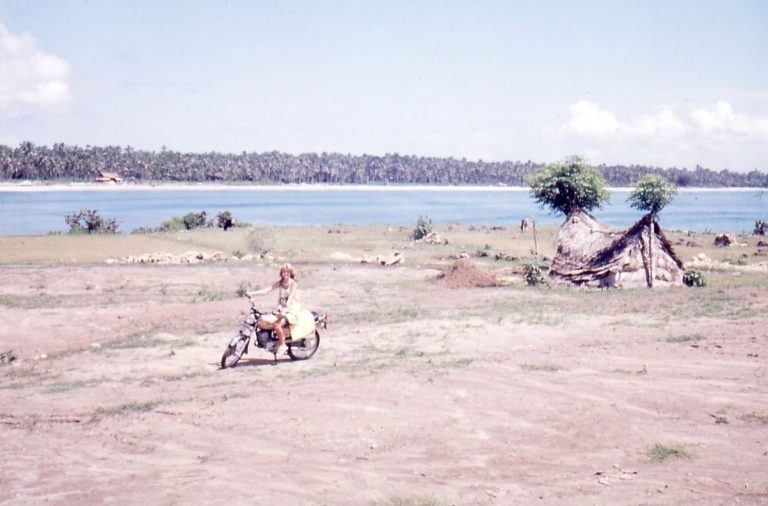
The first hotel, the Nusa Dua Beach Hotel & Spa, opened in 1983, nearly a decade after the World Bank credit was approved. That timeline tells you that ITDC took its time to build the foundation before it built the product.
Over the following decades, Nusa Dua became one of the most recognised luxury resort destinations in Asia. The international hotel brands followed: Marriott, Hilton, Hyatt, Accor, Meliá, Aman Resorts, Club Med, Kempinski, InterContinental, the full roster of global luxury hospitality established a presence within the estate.
Nusa Dua also earned environmental recognition that few resort destinations in the world could match, from the Green Globe certification to the Kalpataru Award, Indonesia's highest environmental honour.
By any measure, Nusa Dua was a success. It proved that Indonesia could build and operate a world-class tourism destination. It generated billions in foreign exchange. It put Bali on the international luxury map.
And it gave ITDC something more valuable than awards: fifty years of institutional knowledge about what it takes to build a destination from nothing.
But Nusa Dua also revealed something important. Over time, the model that made it successful also showed its limits. In the next chapter, we look at what those limits were, and how they directly shaped the development of Mandalika in Lombok — the same corridor where MOJO is building its resort villa portfolio today, and where investment opportunities remain at an early-cycle stage.
We partner with investors who share our vision for design-driven hospitality in South Lombok.
Schedule a Call