
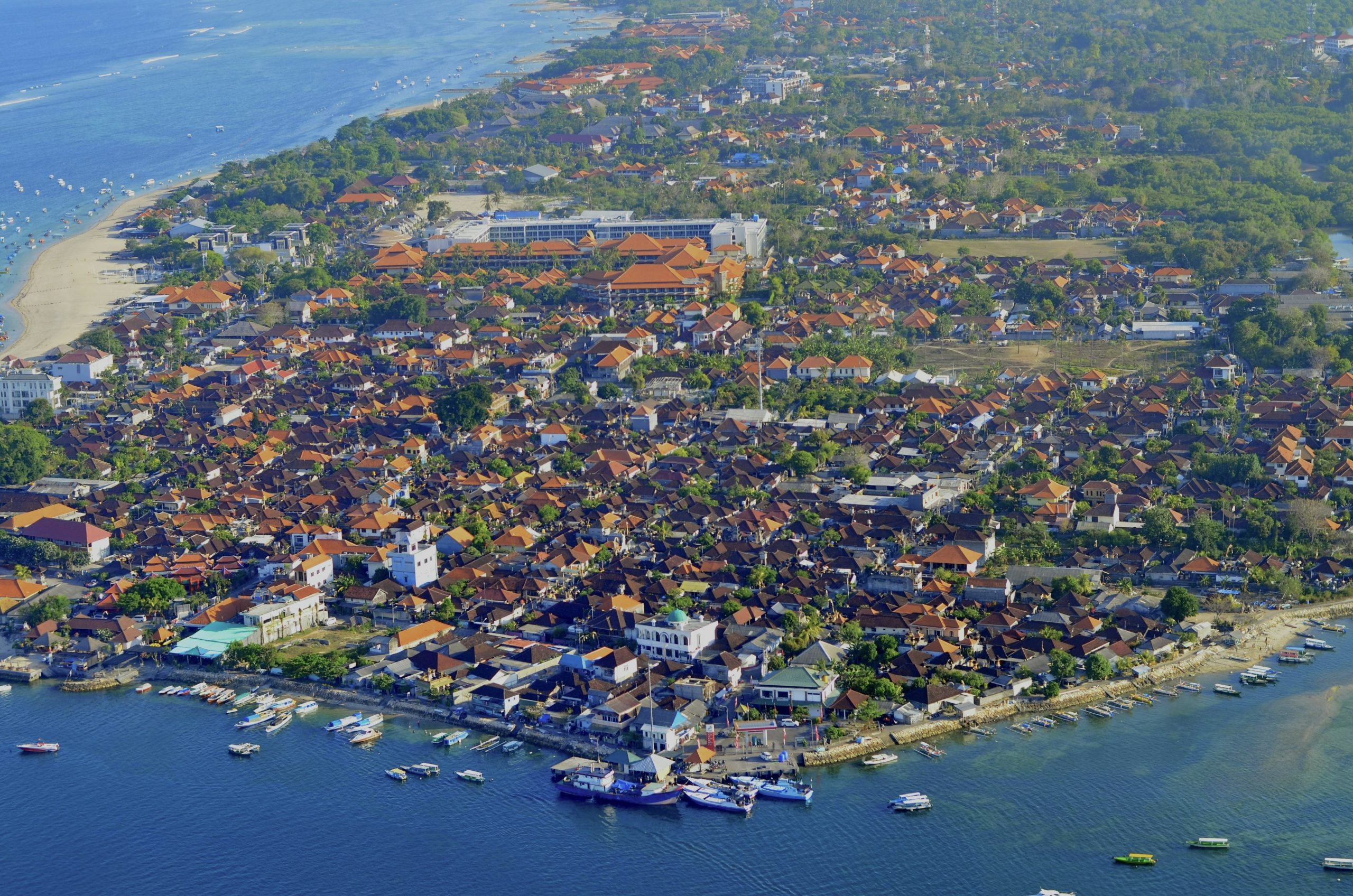
Nusa Dua's success was real. But it was also instructive in a specific way: it showed, over time, exactly where the enclave model reaches its limits, and those limits became the design brief for everything that came after.
Understanding those limits is the reason Mandalika is being built the way it is. And for investors looking at Lombok today, it explains why the opportunity here is structurally different, and structurally stronger. Our own villa projects were designed around exactly this thesis.
Nusa Dua was designed to be self-contained. That was the point, and it worked brilliantly for quality control. But self-contained, over time, also meant economically contained.
The resort enclave model is extraordinarily effective at protecting the visitor experience, but it is less effective at distributing the economic benefits of tourism to the communities and businesses that surround it. Guests arrived, stayed within the managed perimeter, and left. The restaurants, the warungs, the local craftspeople, the fishing families, the informal economy that had existed on that coastline for generations found it difficult to access the tourist dollar flowing through Nusa Dua in significant volume.
The economic gravity of the destination stayed inside the gates.
This created a pattern that became increasingly visible over the decades: a world-class resort enclave surrounded by communities that were adjacent to prosperity but not genuinely part of it.
There is a deeper irony at the heart of the Nusa Dua model that is worth understanding.
It was designed, in part, to protect Balinese culture from the degrading effects of mass tourism. And in some respects, it succeeded, the chaos of Kuta and Seminyak, where unmanaged development produced a landscape of cheap bars, traffic gridlock, and cultural erosion, never reached Nusa Dua.
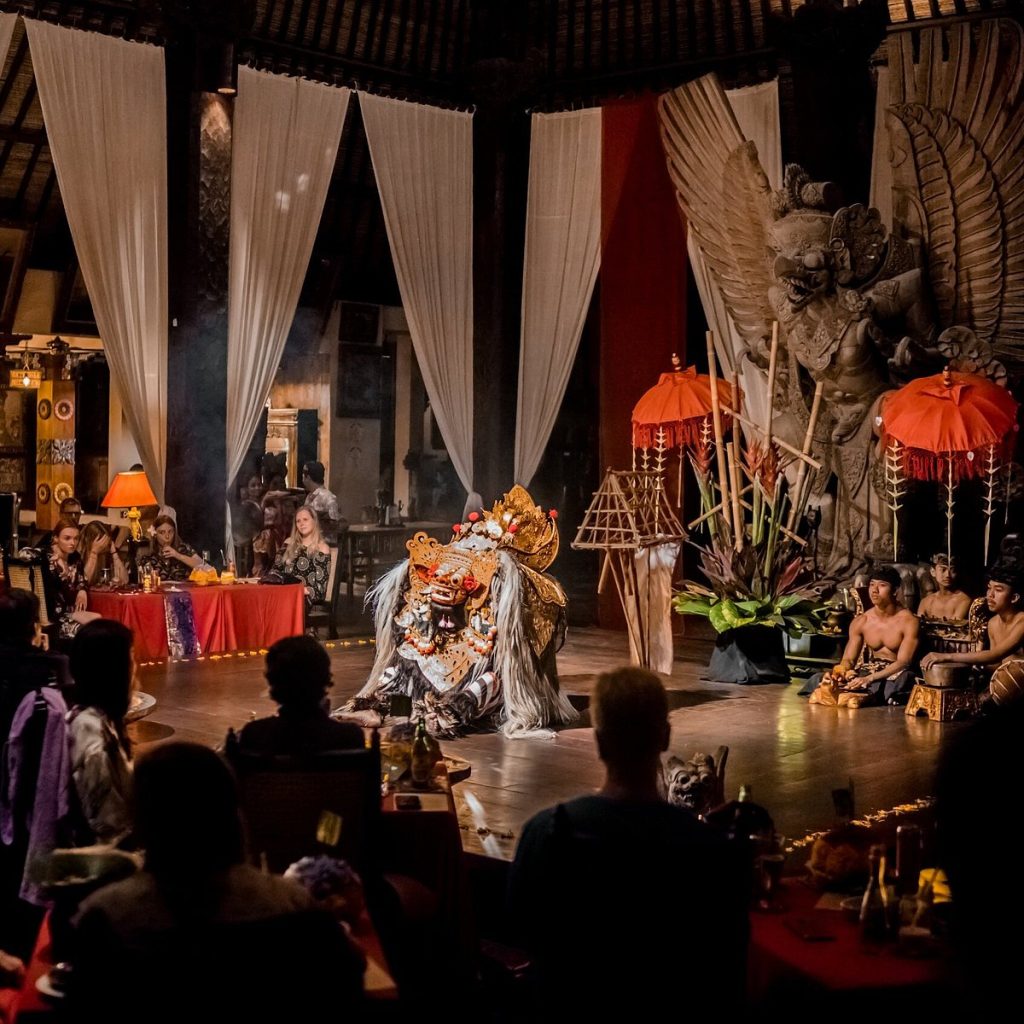
But the enclave model also created a kind of cultural staging rather than cultural integration. Balinese dance was performed in hotel lobbies. Traditional architecture was replicated as aesthetic decoration. The living, breathing culture of Bali, its village life, its ceremonies, its social structures, remained largely invisible to guests who never left the compound.
Tourists experienced a curated version of Bali. The real Bali was somewhere else.
By the 2010s, the global standard for tourism development had shifted. International financing institutions such as the World Bank, the Asian Development Bank, and the AIIB had developed rigorous environmental and social frameworks that any project seeking their support had to meet. The market itself had shifted: international travellers, particularly in the premium segment, increasingly valued authentic cultural engagement and community connection over the hermetically sealed resort experience.
The enclave model was not wrong for its time. But its time had passed.
When Indonesia began planning Mandalika, the lessons of Nusa Dua were built directly into the design. The question was not "how do we build another Nusa Dua?" It was: "how do we build something better?"
The answer was an open destination, one where the rising tide of tourism lifts the entire surrounding economy, not just the estate inside the gates.
We work with investors who get it. People who see Lombok not as a real estate play, but as the next place to be.
Schedule a Call